

For the environment, culture and people
SUSTAINABILITY
Hanamaruki’s Sustainability
- Fulfilling our responsibility as a 100-year-old company toward realizing a sustainable society.
- Since our founding in Nagano Prefecture in 1918, we have contributed to providing healthy and delicious meals to our customers through the fermentation technology we have cultivated over the century. Behind this success lies our ingenuity in coexisting with nature and corporate management based on the philosophy that "People make the company." We will continue to strive for a sustainable society and ensure that the Japanese traditions of miso and Shio Koji are passed on to the next generation.

4 ACTIONS
Four Priority Issues and Initiatives
-
- Safety and Quality

-
- Supporting the Next Generation

-
- Coexisting with Nature

-
- Promoting Diversity

ISSUE01
- Safety and Quality
- Ensuring Product Safety and Quality
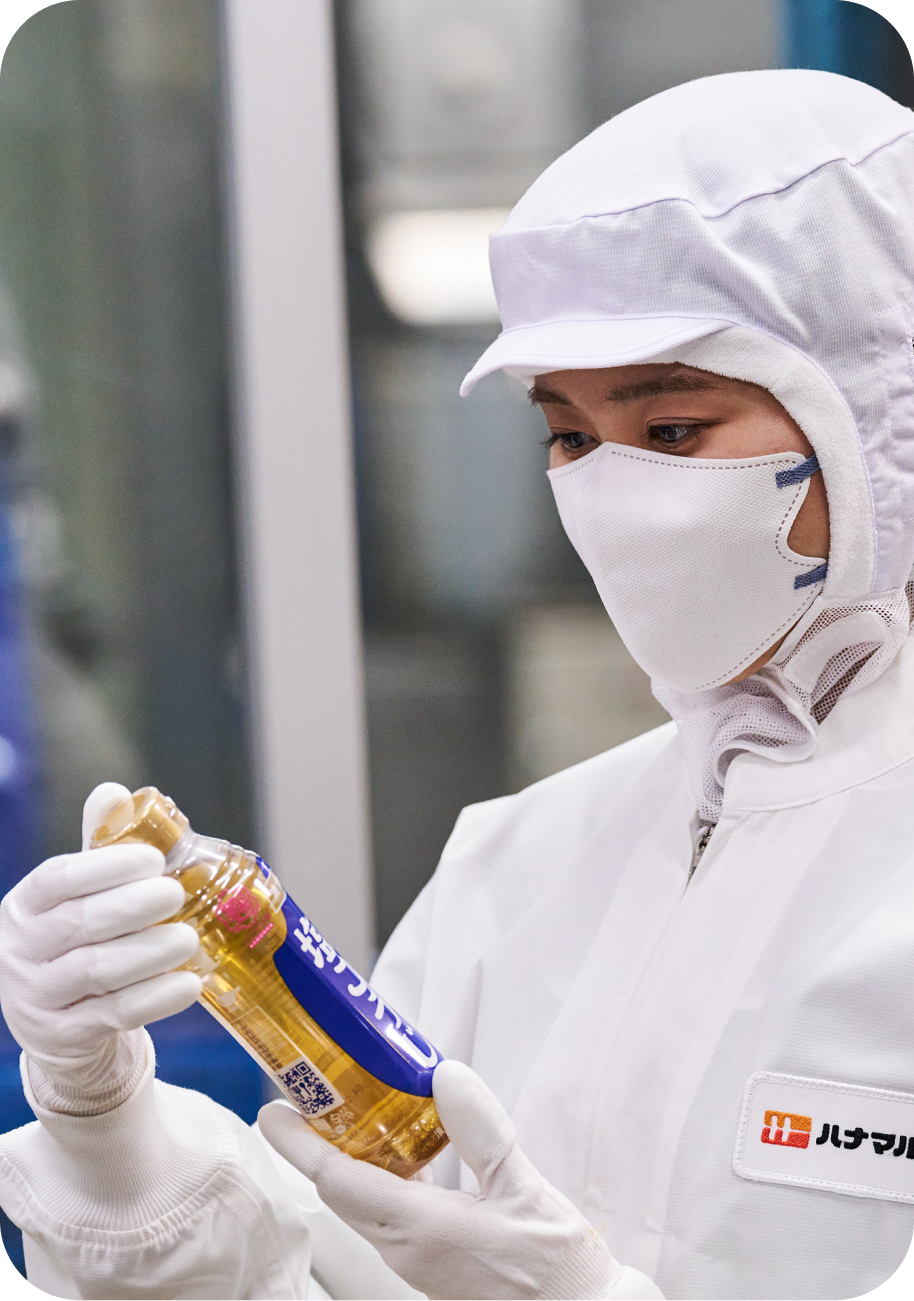
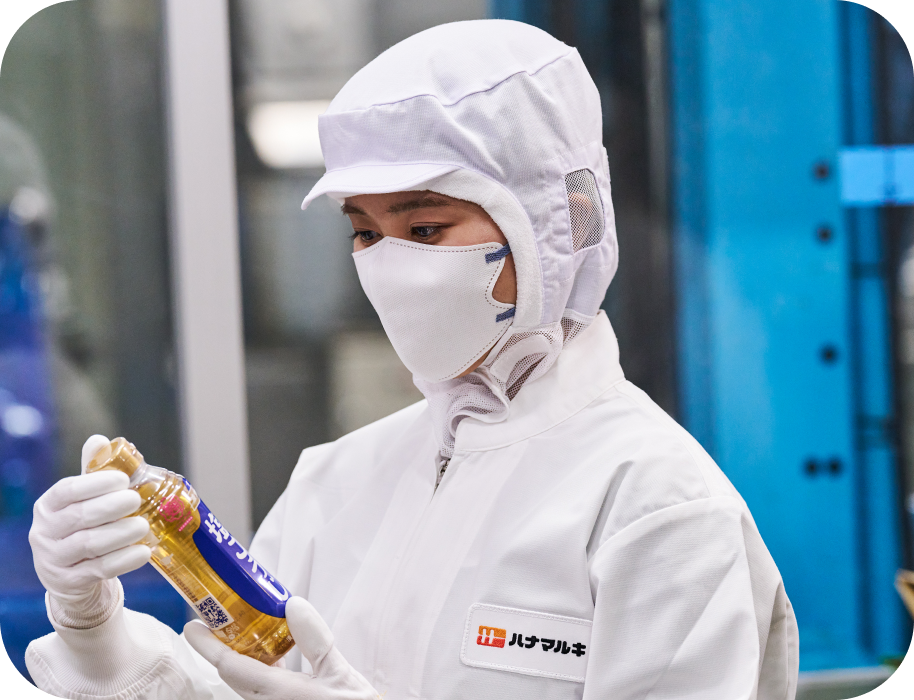
We believe that providing safe and high-quality products to our customers is our mission as a food manufacturer, and we make this our top priority. We have established our own advanced production systems governed by strict quality control standards.


KEY ACTIONS
Our main initiatives
-
Ina and Otone Factories Acquired "FSSC 22000," an International Food Safety Standard
In May 2016, the Ina Factory (Ina City, Nagano Prefecture) and in June 2021, the Otone Factory (Ora District, Gunma Prefecture) acquired the international food safety standard "FSSC 22000." The Ina Factory was the first miso manufacturer in Nagano Prefecture to receive this certification.
● What is FSSC22000?
FSSC 22000 was developed by the FSSC 22000 Foundation and is approved as a certification scheme by the Global Food Safety Initiative (GFSI), a non-profit organization. This standard incorporates ISO 22000 (the international standard for food safety management) and ISO/TS 22002-1 (or ISO/TS 22002-4), which details the prerequisite programs. This standard combines four elements—"interactive communication," "system management," "prerequisite programs," and "HACCP principles"—to minimize food safety risks and provide customers with safer and more reliable products. With approximately 200 specific hygiene management methods specified, this certification is widely considered difficult to acquire.
● What is the Global Food Safety Initiative (GFSI)?
GFSI is a non-profit organization managed by The Consumer Goods Forum (TCGF) and serves as an international network for the food retail industry across more than 70 countries.
This network encompasses approximately 650 companies and 600,000 stores, with the combined retail sales of the participating businesses exceeding $2 trillion.
This vast reach makes GFSI a highly influential framework in international food distribution.● Summary of FSSC 22000 Certification
[Ina Factory]
Registered business: Hanamaruki Ina Factory
Registration date: May 19, 2016
Scope of certification: Manufacturing of miso and salted rice malt (Shio Koji)
[Otone Factory]
Registered business: Hanamaruki Otone Factory, Hanamaruki Foods Oizumi Factory
Registration date: June 11, 2021
Scope of certification: Manufacturing of miso, instant miso soup, seasoned miso, commercial processed foods (feuilletine, crepe sheets, egg sheets, soy protein sheets), salted rice malt, liquid salted rice malt, and assembly of instant miso soup cups.● Hanamaruki Ina Factory (Nagano Prefecture)
Address: 2701 Nishiminowa, Ina City, Nagano Prefecture
Site Area: 27,557m2 (4-story reinforced concrete building + 2-story reinforced concrete building, completed June 2001)
Business: Miso manufacturing● Hanamaruki Otone Factory in Gunma Prefecture
Address: 1216 Yoshida, Oizumi Town, Ora District, Gunma Prefecture
Site Area: 82,198m2
Business: Miso manufacturingView detail
-
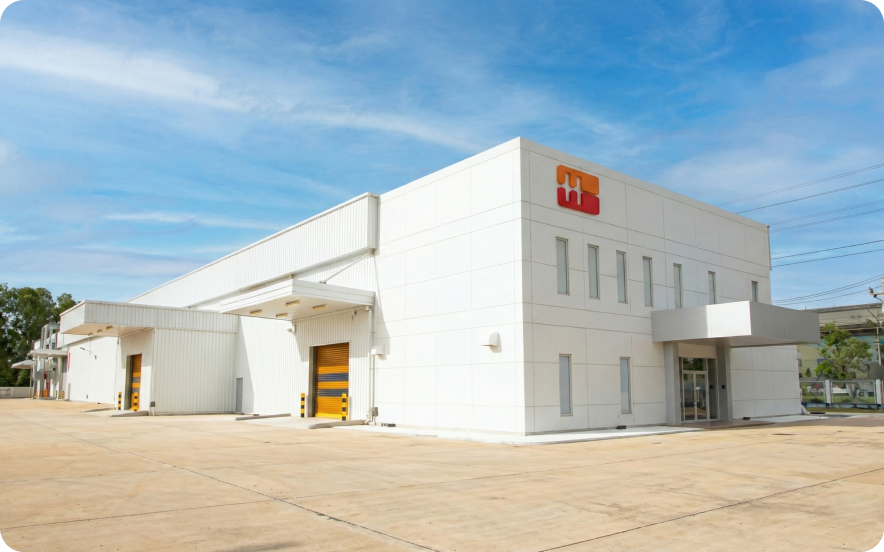
Thai Factory (Siam Hanamaruki) acquired international food safety standards "FSSC 22000" and "BRCGS"
In December 2020, our Thai factory (Siam Hanamaruki) achieved the "FSSC 22000" international food safety certification, followed by the "BRCGS (BRC Global Standard for Food Safety)" certification in January 2021. We remain dedicated to providing safer, high-quality products to our customers worldwide.
What is BRC Global Standard for Food Safety?
The BRC Global Standard for Food Safety is a food safety standard issued by the British Retail Consortium (BRCGS). It operates under a third-party certification scheme and is recognized by the Global Food Safety Initiative (GFSI), a non-profit organization. Today, many retailers not only in the UK but across Europe, the US, and other international markets require BRC Global Standard certification as a prerequisite for doing business.
In addition to Food Safety, the BRCGS framework encompasses four distinct standards:
BRC Global Standard for Food Safety BRC Global Standard for Consumer Products BRC/IOP Global Standard for Packaging and Packaging Materials BRC Global Standard for Storage and Distribution● Outline of acquiring FSSC22000
Registered site: Siam Hanamaruki Co., Ltd. Registration date: December 18, 2020 Scope of certification: Manufacturing of liquid salted rice malt (Shio Koji) in plastic packaging
● Outline of Siam Hanamaruki Co., Ltd. (Thai Factory)
Address:WHA Saraburi Industrial Land 60 Moo 4, Tambol Bualoy, Amphur Nongkhae, Saraburi, 18140, Thailand Site Area: 16,451m2 Business: Manufacturing of liquid salted fermented rice
View detail
-
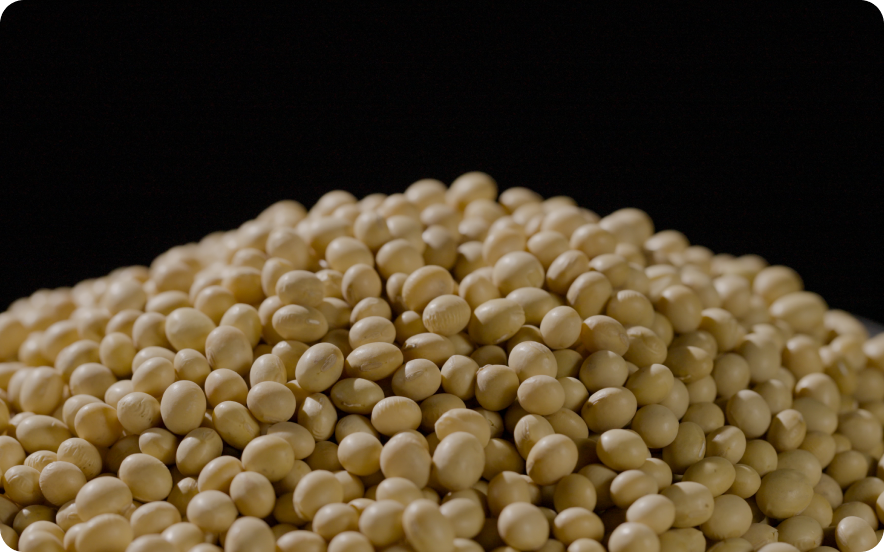
Our Radioactive Material Inspection System
We conduct monitoring and testing for radioactive materials in agricultural ingredients, such as rice and soybeans, used in the manufacturing and sale of our miso products.
-
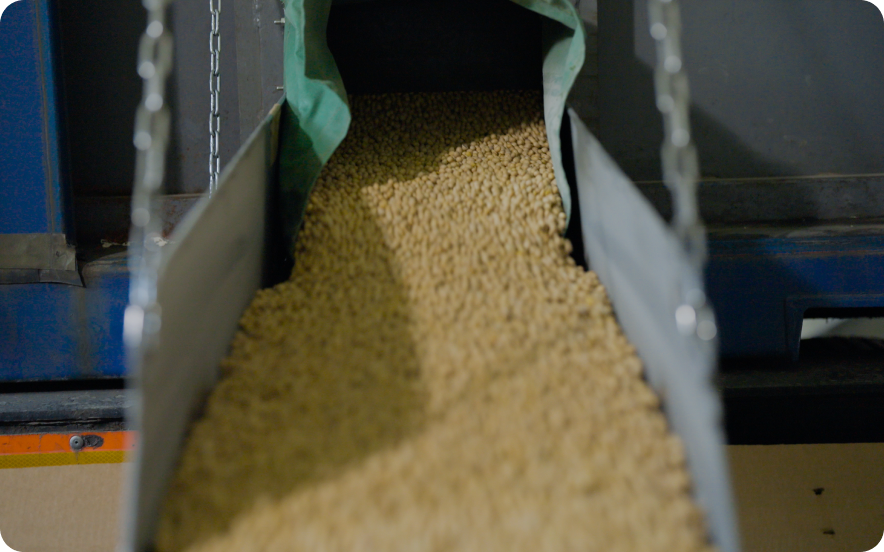
Raw Material Supply through Identity Preservation (IP Handling)
We only use non-GMO soybeans that are strictly managed through Identity Preservation (IP handling) systems.
-
Communication with Contract Farmers
To ensure a stable supply of safe soybeans—the lifeblood of miso production—Hanamaruki actively engages in educational initiatives with our contract farmers. Our contract farming program began in 1994.
As the global production of genetically modified crops continues to rise, we maintain close communication with our contract farmers to ensure the consistent supply of Non-GMO (non-genetically modified) soybeans.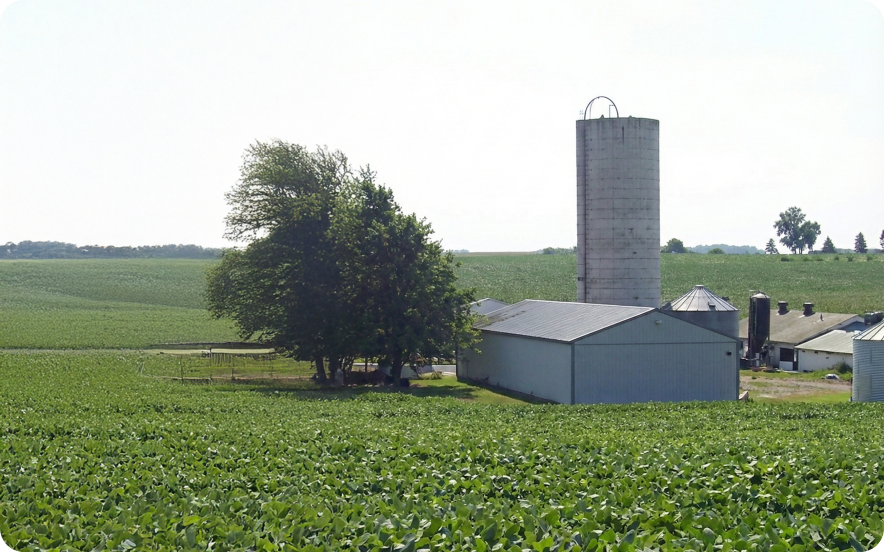
-
Pesticide Residue Inspection System
Approximately 800 types of pesticides are used worldwide. In Japan, the "Positive List System" was enacted on May 29, 2006, establishing maximum residue limits (MRLs) for all pesticides.
To ensure compliance with this system, Hanamaruki conducts regular monitoring and testing for pesticide residues in our raw materials.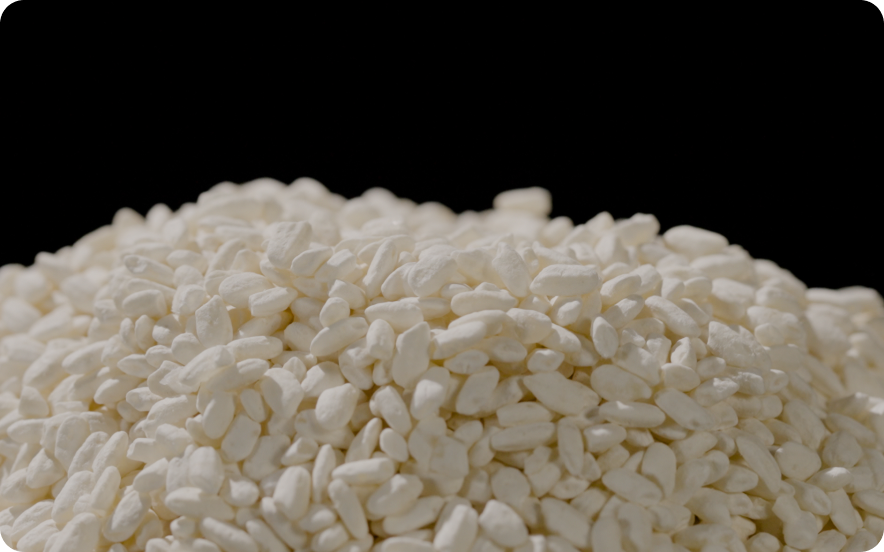
ISSUE02
- Supporting the Next Generation
- Supporting the healthy growth of the next generation
Miso and Shio Koji are traditional foods born from the wisdom of our ancestors. We are dedicated to passing on these time-honored fermented foods to the next generation while supporting their healthy living and growth.


KEY ACTIONS
Our main initiatives
-
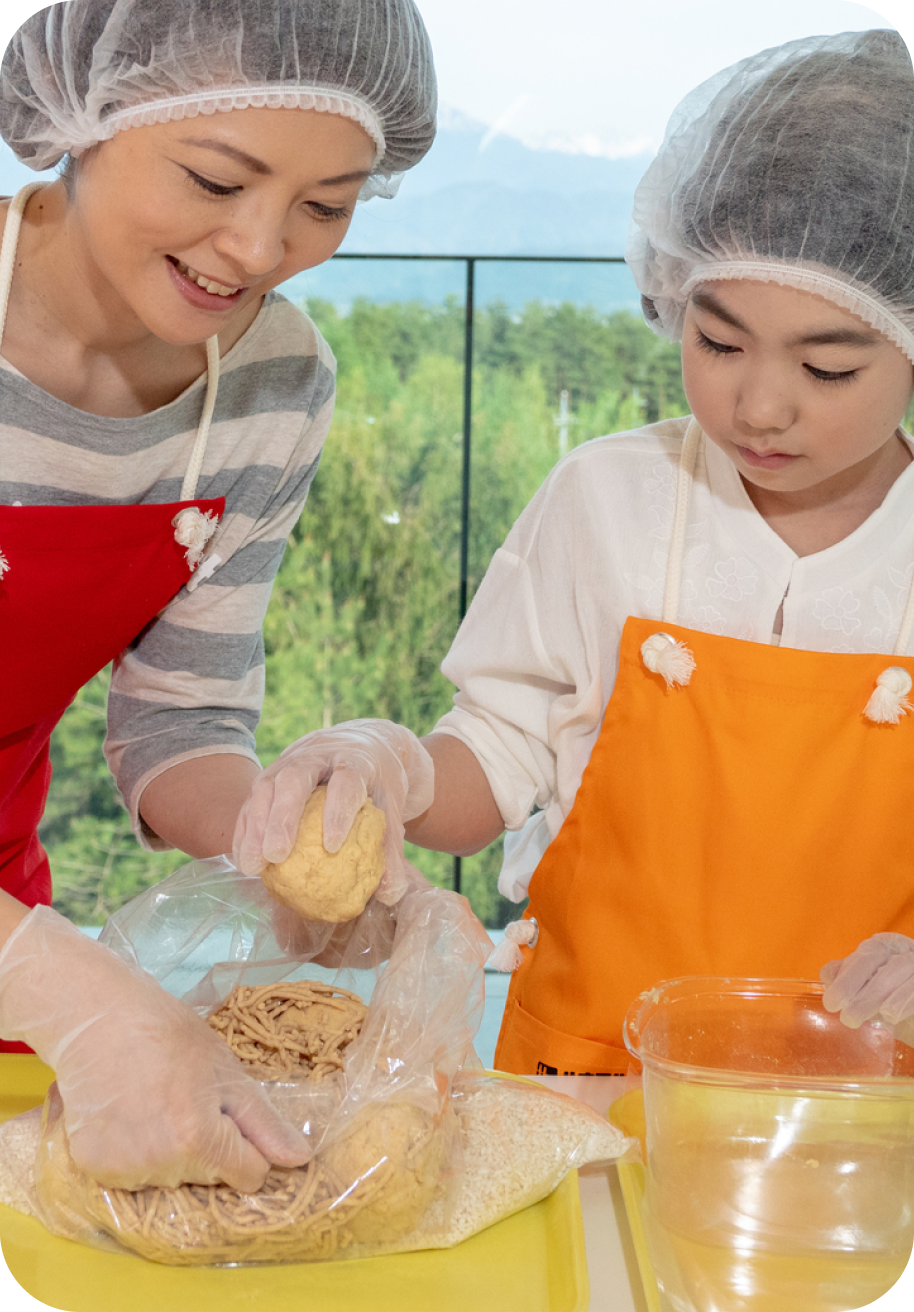
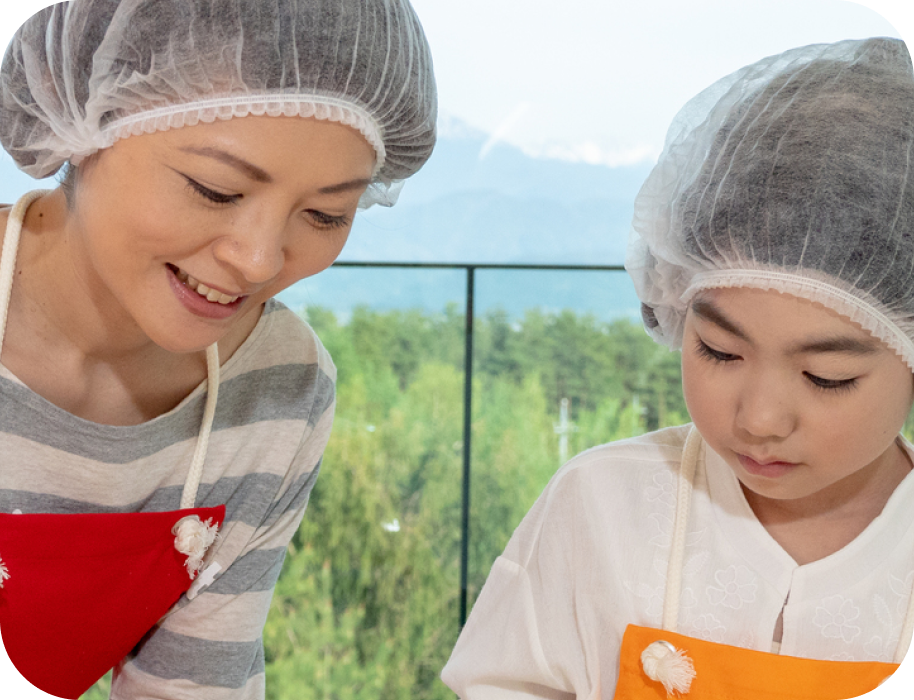
Through the miso-making experience, we convey the wonders of miso to the next generation.
In 2018, as part of our 100th anniversary, we opened the Handmade Miso Experience Center in Ina City, Nagano Prefecture. Through this experience, we hope to convey the wonders of miso to as many people as possible and pass on Japanese traditions to the next generation.
-
We proudly sponsor the ACO CHiLL SOCCER CAMP.
We are a proud supporter of the "ACO CHiLL SOCCER CAMP," a special program held during the "ACO CHiLL CAMP" outdoor music festival, which takes place every May in Gotemba City, Shizuoka Prefecture.
This soccer camp provides children with invaluable experiences, featuring soccer clinics and talk sessions led by former Japan national team player Keita Suzuki.
During the event, we serve meals prepared with Hanamaruki's Liquid Shio Koji, aiming to support children's growth and healthy development through the harmony of sports and nutrition. -
Hosting Factory Tours for Local Elementary Schools
We are committed to supporting our local community by hosting factory tours for elementary school students and providing hands-on work experience programs for students from nearby secondary schools.


ISSUE03
- Coexisting with Nature
- Promoting Environmental Conservation Efforts
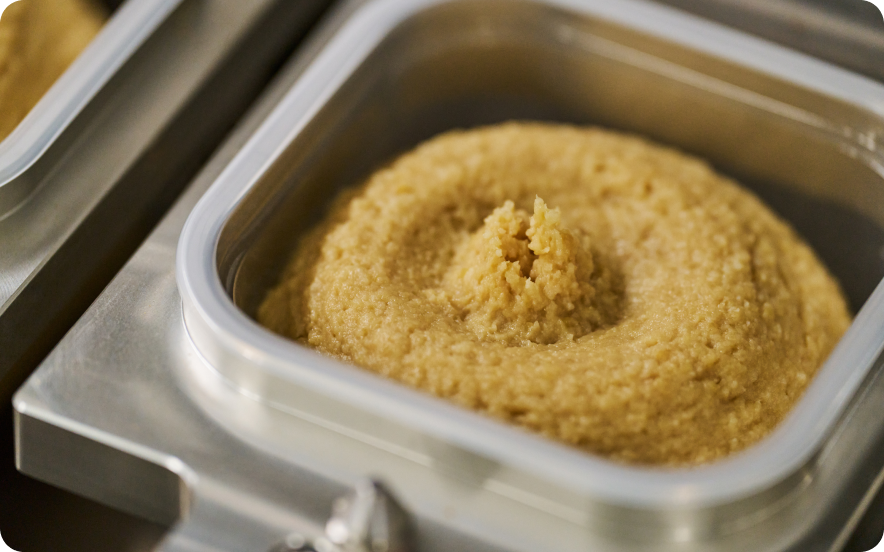
The ingredients of miso are remarkably simple: soybeans, rice, and salt. Through the wonderful wisdom of nature found in fermentation, these ingredients are transformed into the healthy food known as miso. In other words, miso is truly a gift from nature.
In 2009, we established an Energy Conservation Promotion Committee and have since been working to reduce our company-wide environmental impact. In the years to come, we will continue to promote environmental conservation efforts, always remaining grateful for the blessings of nature.



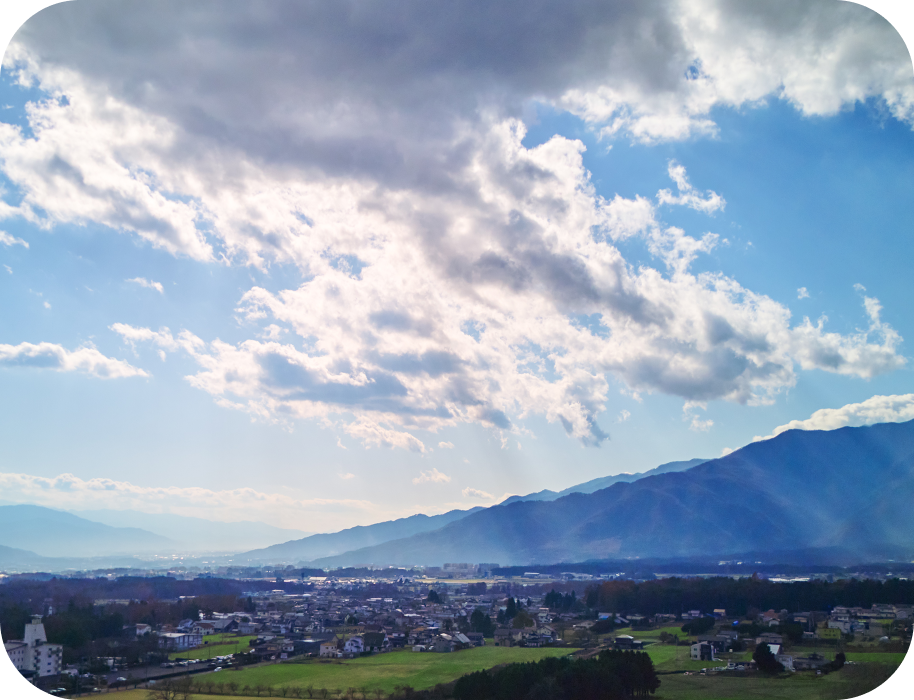
Promoting environmental vision & environmental management
At Hanamaruki, we aim to utilize traditional techniques and the latest scientific technology to provide delicious, high-quality, and safe products without putting strain on the environment.
●Hanamaruki's Basic Environmental Policy
Living in harmony with the global environment is core mission of Hanamaruki's most important tasks. Recognizing that protecting the global environment is one of the most important issues facing the company, we established an Energy Conservation Promotion Committee in 2009 and are working to reduce the company's overall environmental impact.
●Basic Philosophy
Conserving the global environment is a key theme of the 21st century. Furthermore, the soybeans and rice that are the raw materials for miso can be considered gifts from nature. Therefore, Hanamaruki recognizes the global environment as one of its management resources and is committed to reducing its environmental impact. We strive to continue creating products that are friendly to people and environment.
●Guidelines
- Conduct our business activities in compliance with environmental laws, regulations, and agreements.
- Establish an environmental management system, set environmental objectives and targets, engage in environmental conservation activities, and strive for continuous improvement.
- Give full consideration to environmental impact at all stages of the product and service life cycle..
- Strive to reduce resource usage by promoting resources and energy conservation.
- Work to reduce emissions of greenhouse gases and environmental pollutants, and promote waste reduction, recycling, and container recycling.
- Disclose environmental information to society and promote communication with society.
- Foster environmental awareness among all employees through education and internal initiatives.
●Promotion of Environmental Management
Hanamaruki shares its activity policy with the entire company and promotes environmental management. To reduce our environmental impact, we implement a PDCA (Plan-Do-Check-Act) cycle: setting specific goals, executing initiatives, reviewing results, and establishing the next objectives.
View detail
KEY ACTIONS
Our main initiatives
-
Reducing CO2 emissions through fuel conversion and a shift to marine transport
Installation of a Cogeneration System
In June 2012, we installed a cogeneration system capable of generating electricity in-house, securing 41% of the plant's maximum power requirements during operation and efficiently utilizing the thermal energy generated.
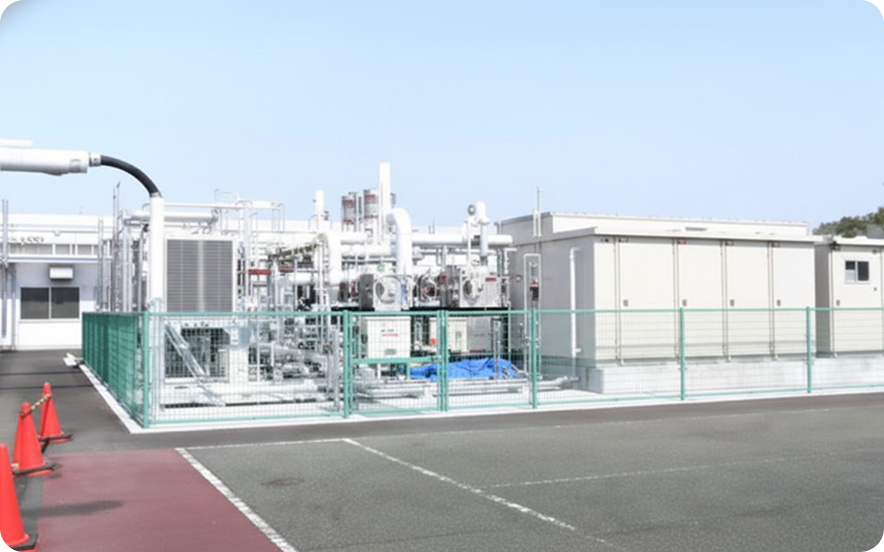
Promoting Fuel Conversion
We are promoting the use of city gas and liquefied natural gas (LNG), which have lower CO2 emissions per calorie than heavy oil and contain almost no sulfur oxides (SOX). In 2008, we changed the fuel used at Otone Factory from heavy oil to city gas. In 2012, we changed the fuel used at Ina Factory to LNG.
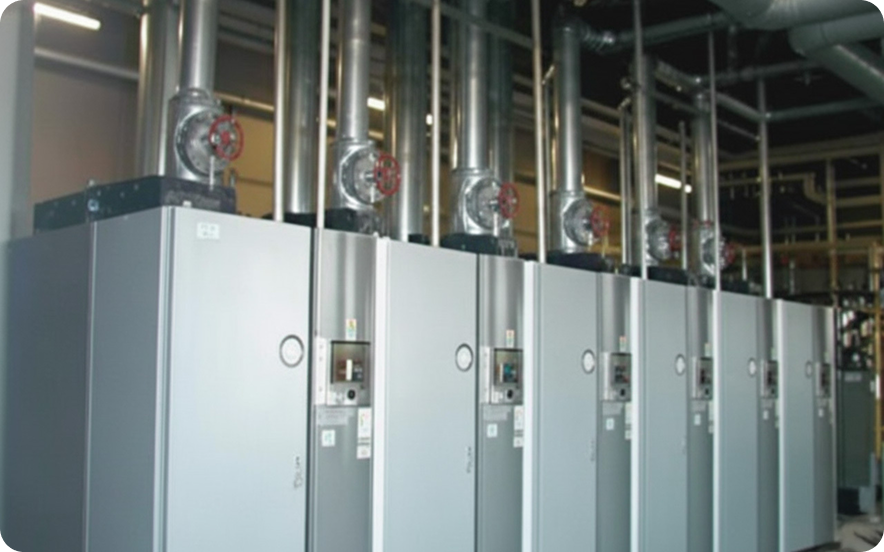
Certified as an Eco-Ship Mark Excellent Business Operatorn
By shifting from land to environmentally friendly sea transport in the transportation and logistics of our products, we are working to reduce CO2 emissions, and our efforts have been recognized, leading to our certification as an excellent business operator under the "Eco-Ship Mark" system in fiscal 2016.
-
Reuse of By-products and Waste
Turning wastewater sludge into fertilizer
At Ina Factory, the wastewater from the miso production process is put through a dehydrator, then transported to a farm where it is dried, stirred, and turned over several times before fermenting and becoming fertilizer. We are currently looking for farms that can similarly convert wastewater from the Otone Factory into fertilizer.
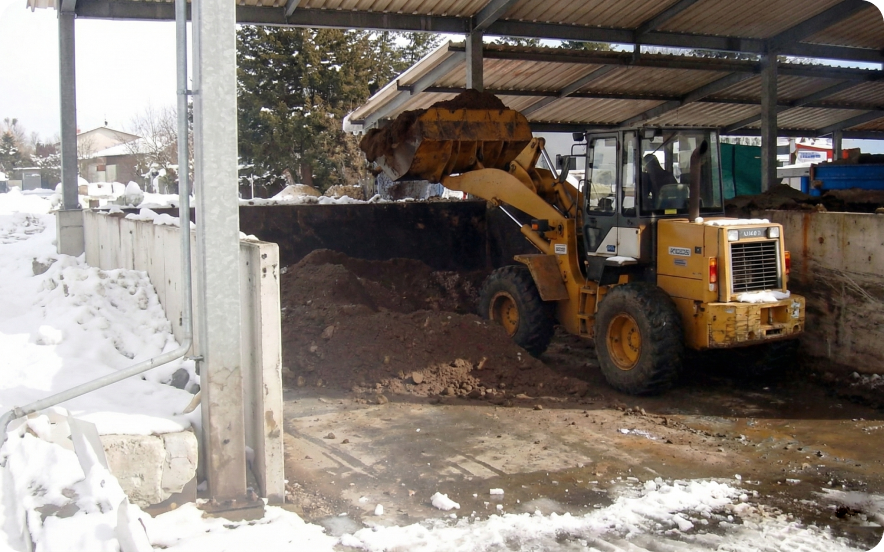
Waste Reduction and Recycling
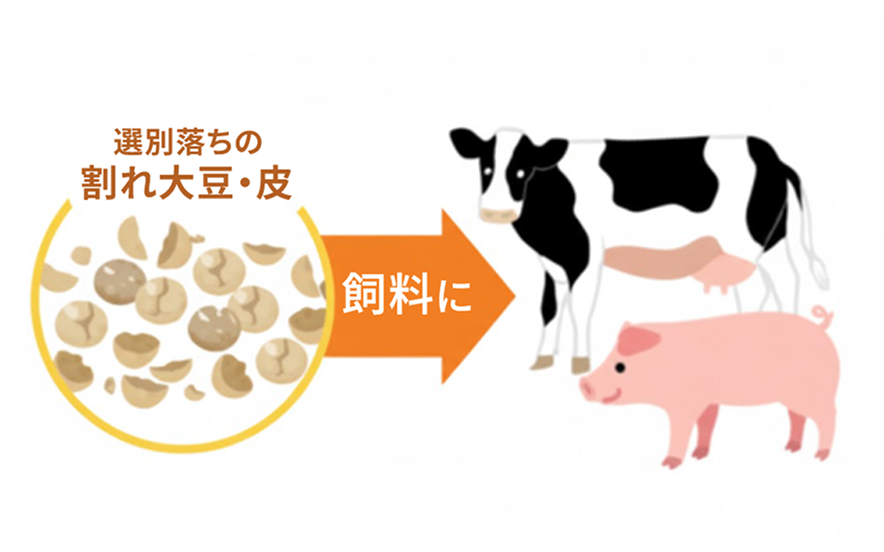
The production process generates by-products and waste, such as plant residues from soybeans and rice, as well as sludge, wood chips, and paper waste. Hanamaruki develops new uses for these by-products and waste to implement effective recycling. To ensure proper waste management, we strictly comply with the manifest system and maintain centralized management of all waste information.
-
Environmentally Conscious Manufacturing at our Nagano and Gunma Factories
We are working to enhance our environmental impact reduction activities, led by the Energy Conservation Committee. In addition, both factories have been certified as Type 2 energy designated factories, and we strive to reduce our energy consumption rate every year.
Well Water Management
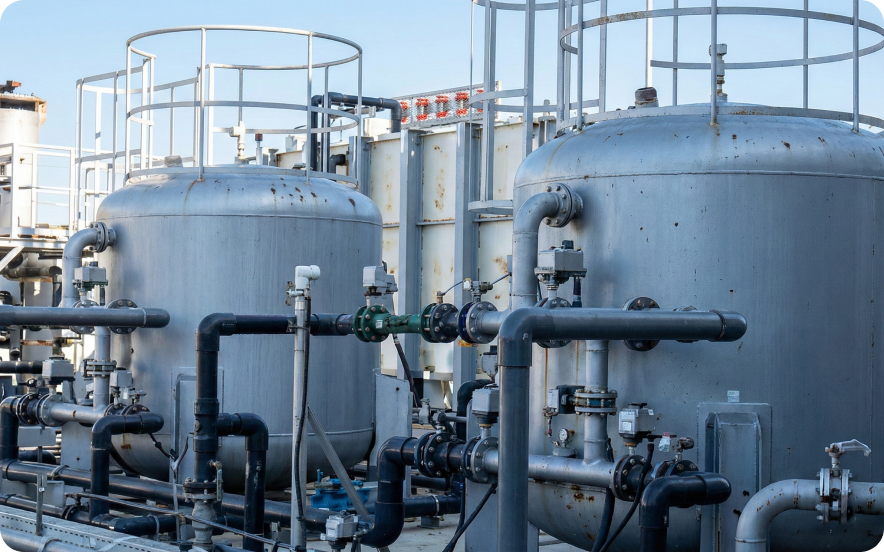
In 2009, Otone Factory installed a filtration system for well water, and both factories now have water quality testing carried out four times a year by an external organization, including testing and analysis of 51 items to ensure that the water meets tap water standards.
Wastewater Management
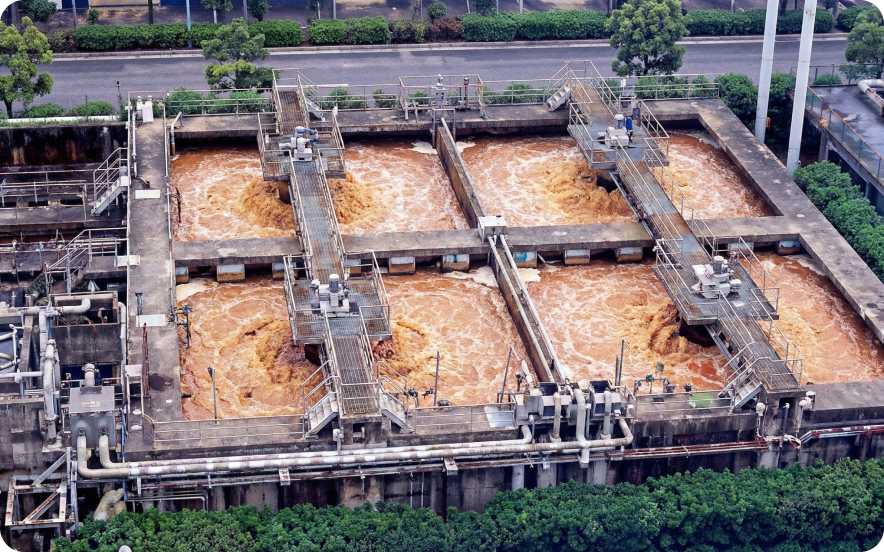
Hanamaruki was an early adopter of wastewater purification facilities using the "yeast + activated sludge method." We take every precaution to return wastewater to nature in a state as close to its original condition as possible to protect the local environment.
-
Eco-friendly product design
Reducing plastic usage
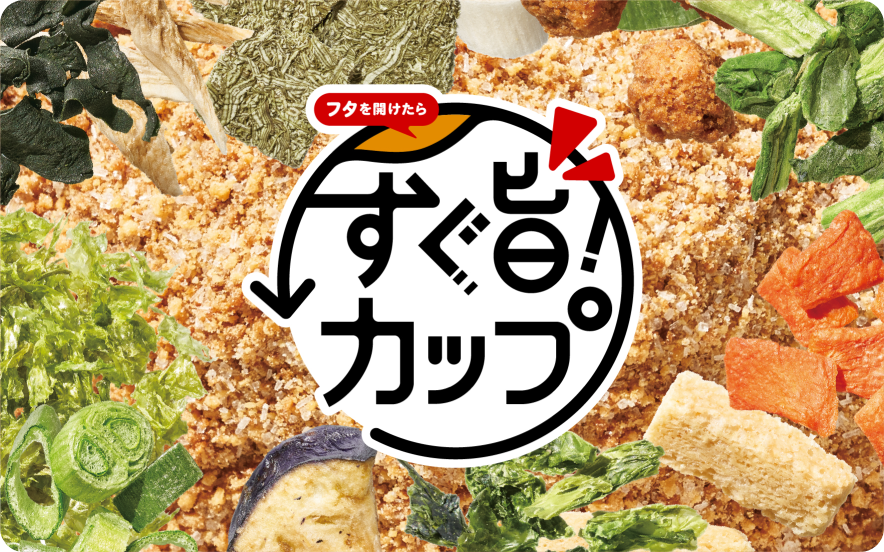
The "Sugu-uma Cup Miso Soup" series has achieved an approximately 44% reduction in plastic usage compared to conventional products. By eliminating the individual packets for miso and ingredients and instead filling the cup directly with powdered miso and freeze-dried ingredients, we have significantly lowered our environmental impact.
-
Leveraging Renewable Energy via Solar Panel Installation
To combat global warming and contribute to a decarbonized society, we have installed solar power generation systems at our primary plants to promote the use of renewable energy.
●Location
Ina Factory & Otone Factory
●Results & Impact
We generate a portion of the electricity used at our factories through solar power. Currently, approximately 15% to 20% of the total electricity consumption at each plant is powered by renewable energy.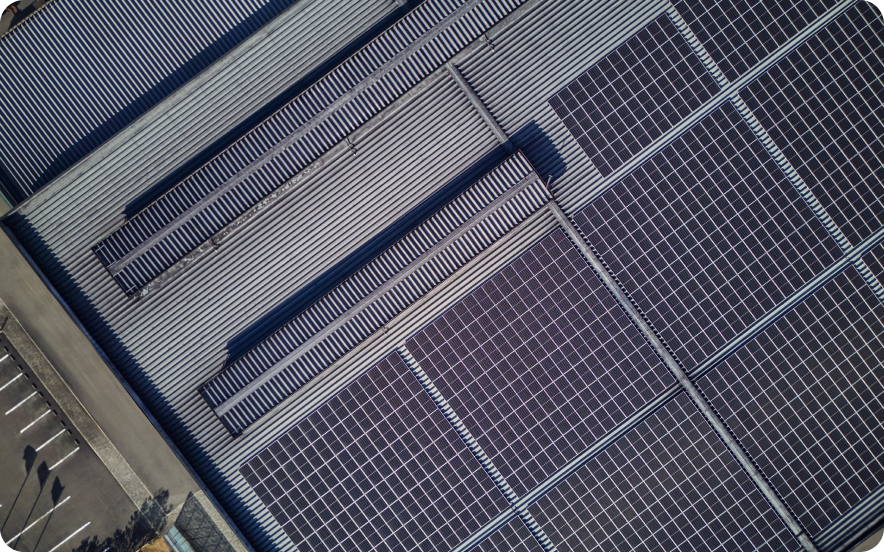
ISSUE04
- Diversity of Human Resources
- Creating an environment where diverse talent can thrive
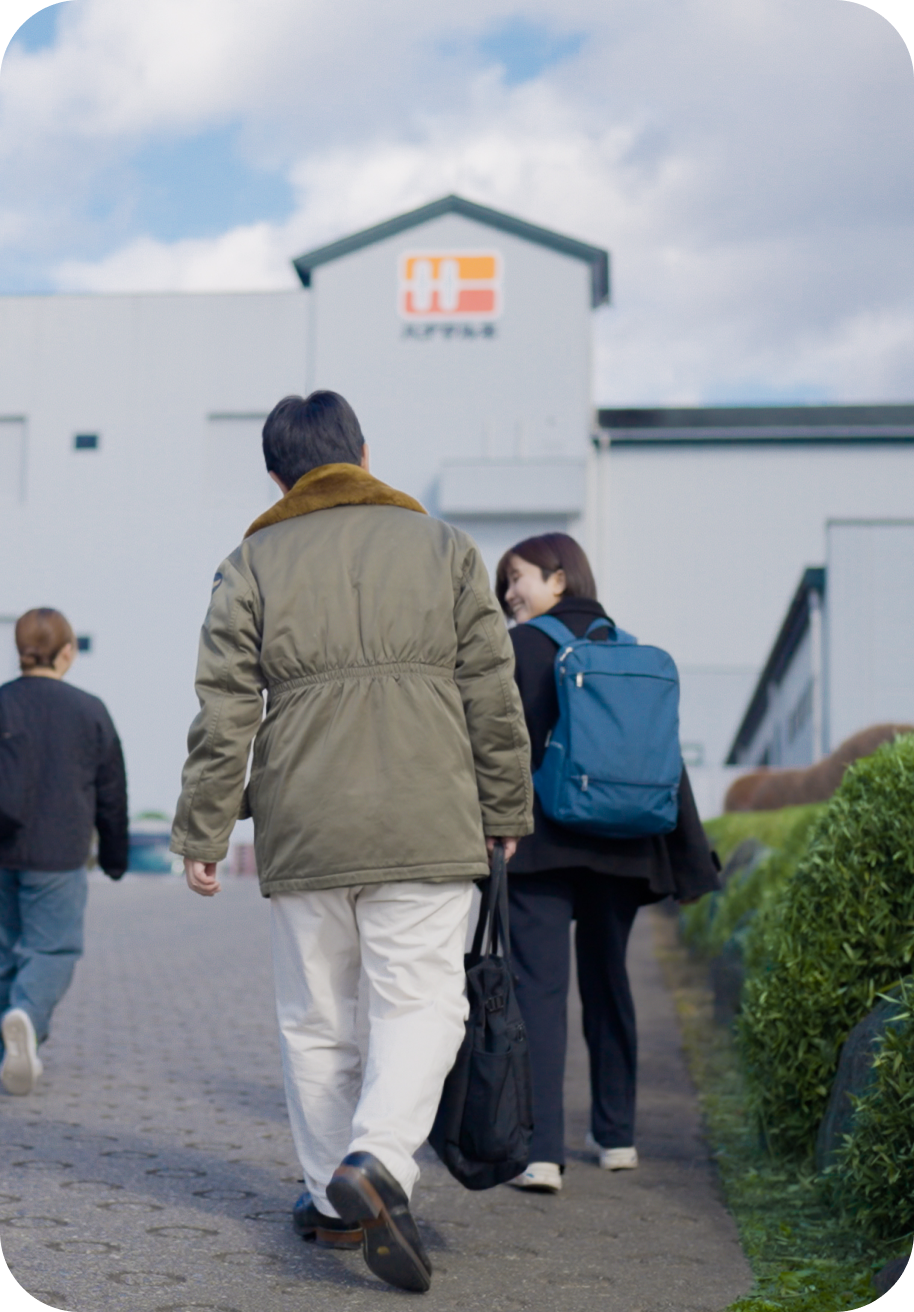
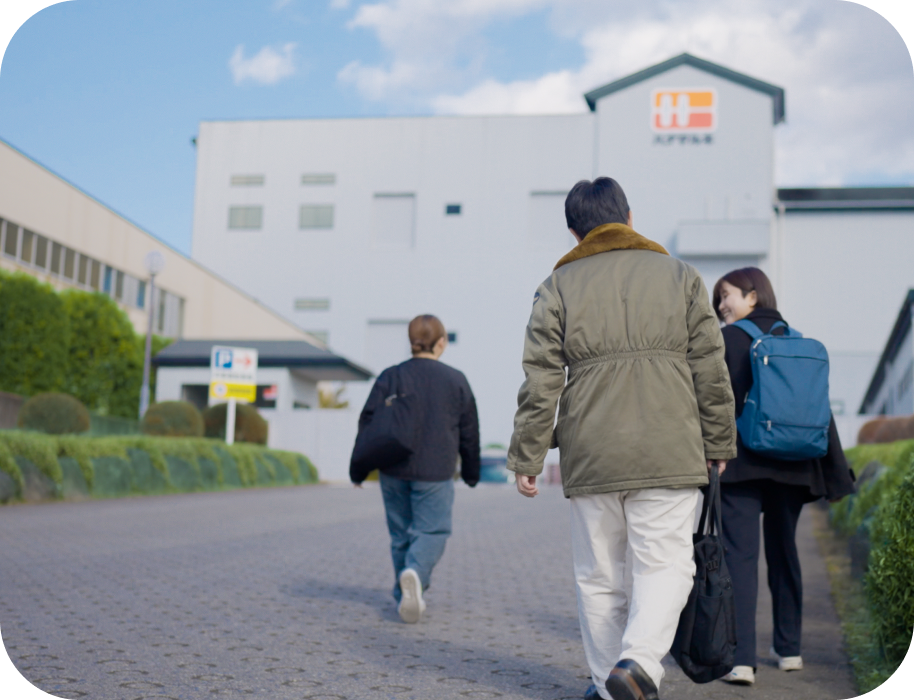
What we value in organizational management is the idea that "People make the company." Looking ahead, we will aim to become a company with a more global perspective, where all employees can work with enthusiasm and without discrimination based on age, gender, race, or any other factor.


KEY ACTIONS
Our main initiatives
-
Enhancement of systems according to employees' life stages
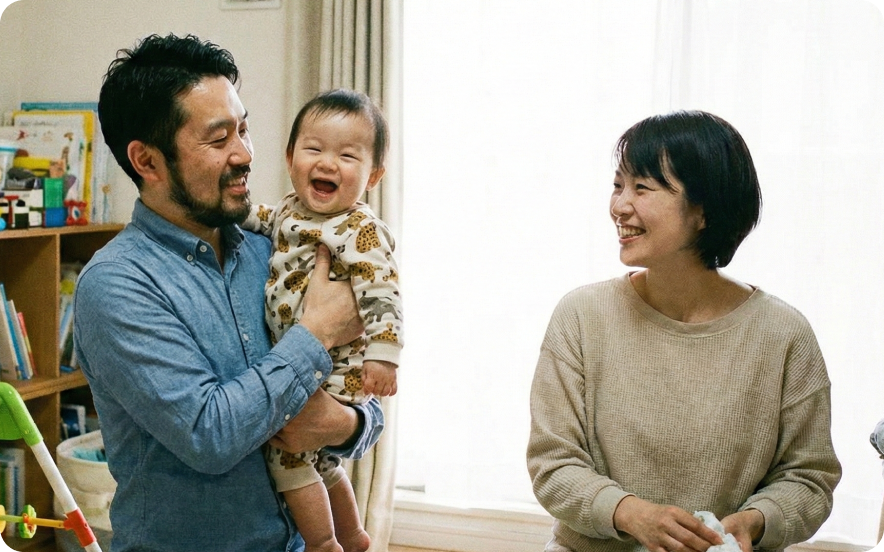
We have systems in place to enable employees to continue working for the long term with peace of mind, including maternity and childcare leave, nursing care leave, shortened work hours, and family allowance provision.
-
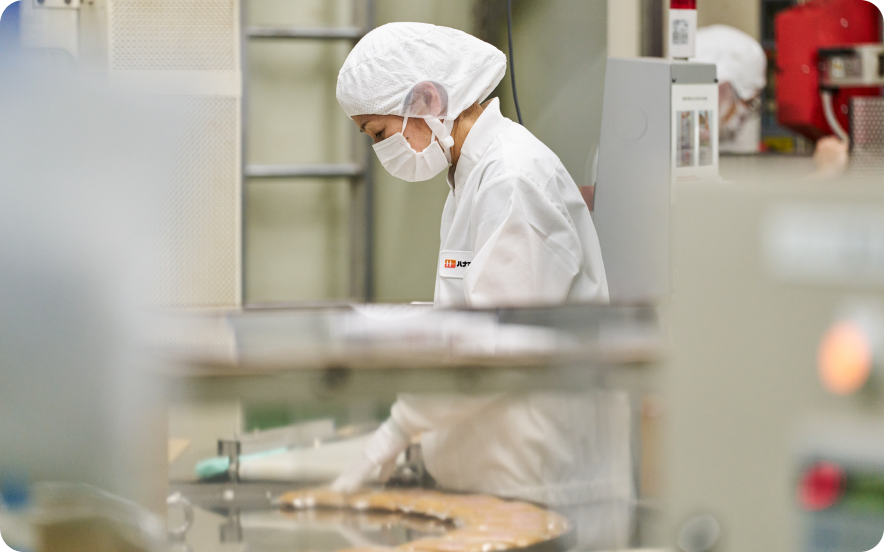
Active recruitment of mid-career employees
We believe that accepting diverse values is essential for the development of a company, and we actively recruit mid-career employees, aiming to foster a corporate culture where a variety of human resources can thrive.
-
Enhancement of self-development support system
We strive to develop the skills of our employees by proactively subsidizing the expense of correspondence education and giving training tailored to each employee's position.
-
Technical Skill Transfer and Employee Education
Thai Factory (Siam Hanamaruki)
In 2020, Hanamaruki established a factory in Thailand dedicated to its Liquid Shio Koji. Factory staff are hired locally in Thailand, and a Japanese technical research team visits the site to provide technical training and education.